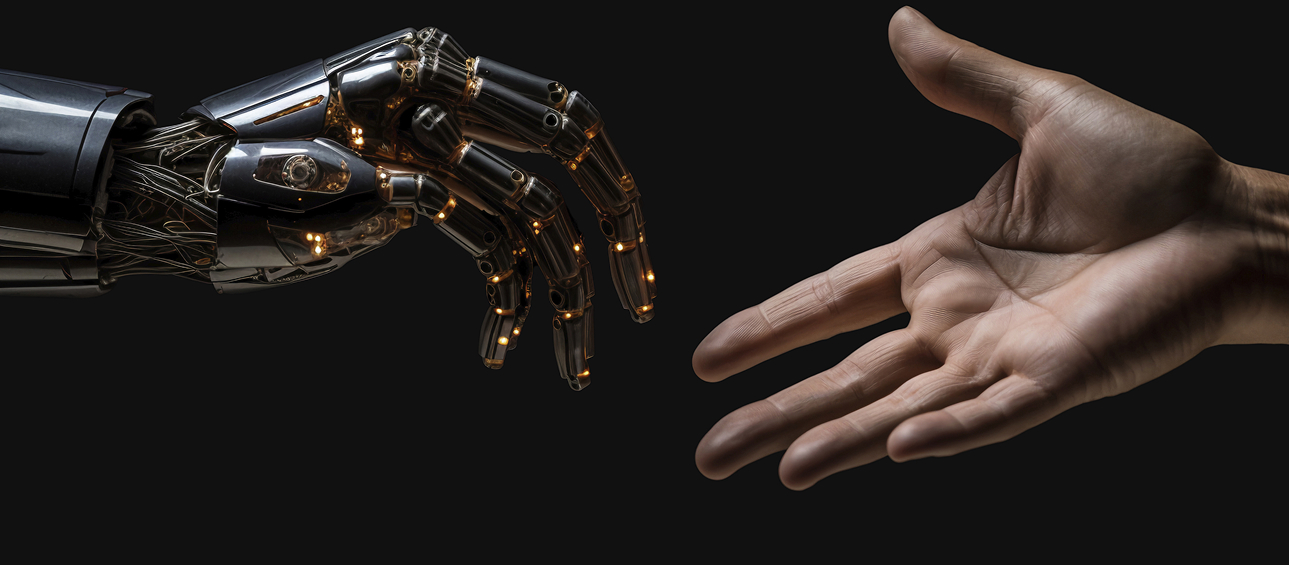
Once, imagination belonged to humans. Now, algorithms dream too. The brush, the word, the voice of artificial intelligence... It has seeped into almost every field of art. Yet there is a strange silence in the air. Can emotionless creation still be considered art?
Creativity used to be a miracle unique to humankind. Now, it can be summoned with a single command: “Generate.” The painter’s inner world, the composer’s pain, the writer’s emotions, the director’s creativity, the poet’s fragility... All are blended within algorithmic aesthetics. There is a work, but no artist. The image is strong, but the feeling is missing. Art hides in the shadow of speed.
Artificial intelligence not only creates, but also persuades. Is this photograph real, or born from code? No one truly knows anymore. The line between reality and simulation is thinning. The audience says, “It’s beautifully made,” but the question is, “With what emotions was it designed?” remains unanswered. The oldest purpose of art—“to show the truth”—is losing its meaning. Because now, truth is not shown; it is produced.
Perhaps the most valuable signature of the future will be the human hand. A brushstroke, a wrong note, an unexpected word, a thought born unintentionally... These are not flaws—they are proofs of existence.
Artificial intelligence works flawlessly, yes, but it still cannot tell a story. At Bluport, we are after that story. We seek that fragile balance that unites flaw with beauty, silence with meaning.
As artificial intelligence mechanizes art, humankind once again begins to follow the traces of meaning. Reality returns—but in a completely new form. Now, the value of art lies not in how much is produced, but in how deeply it is felt.
Do you know what the funniest part is? This text was also written by artificial intelligence. The same AI you said could never create anything emotional.
Now, take a moment—and think about that.